
Today, our team had the opportunity to speak with two teachers and two parents about children’s sleep. Their insights offered a meaningful glimpse into daily life and sleep practices in this community.
They described a typical sleep environment in which multiple children often share a mat on the floor in one - or two-room homes. These homes are generally open to the outside through windows and roofing, exposing the family to environmental noise and mosquitoes. We learned that families tend to follow similar sleep schedules—children and parents alike reportedly sleep about eight hours per night. Many children wake as early as 5:00 or 6:00 a.m. to prepare for school.
What stood out most was the shared belief that children require the same amount of sleep as adults. When we explained that school-aged children (6–13 years) typically need 9–11 hours of sleep within a 24-hour period, there was genuine surprise. This gap highlights an important opportunity for education. Sleep is not simply for rest - it is a critical foundation for physical health (e.g., immunity), emotional regulation, and cognitive functioning, particularly during development.
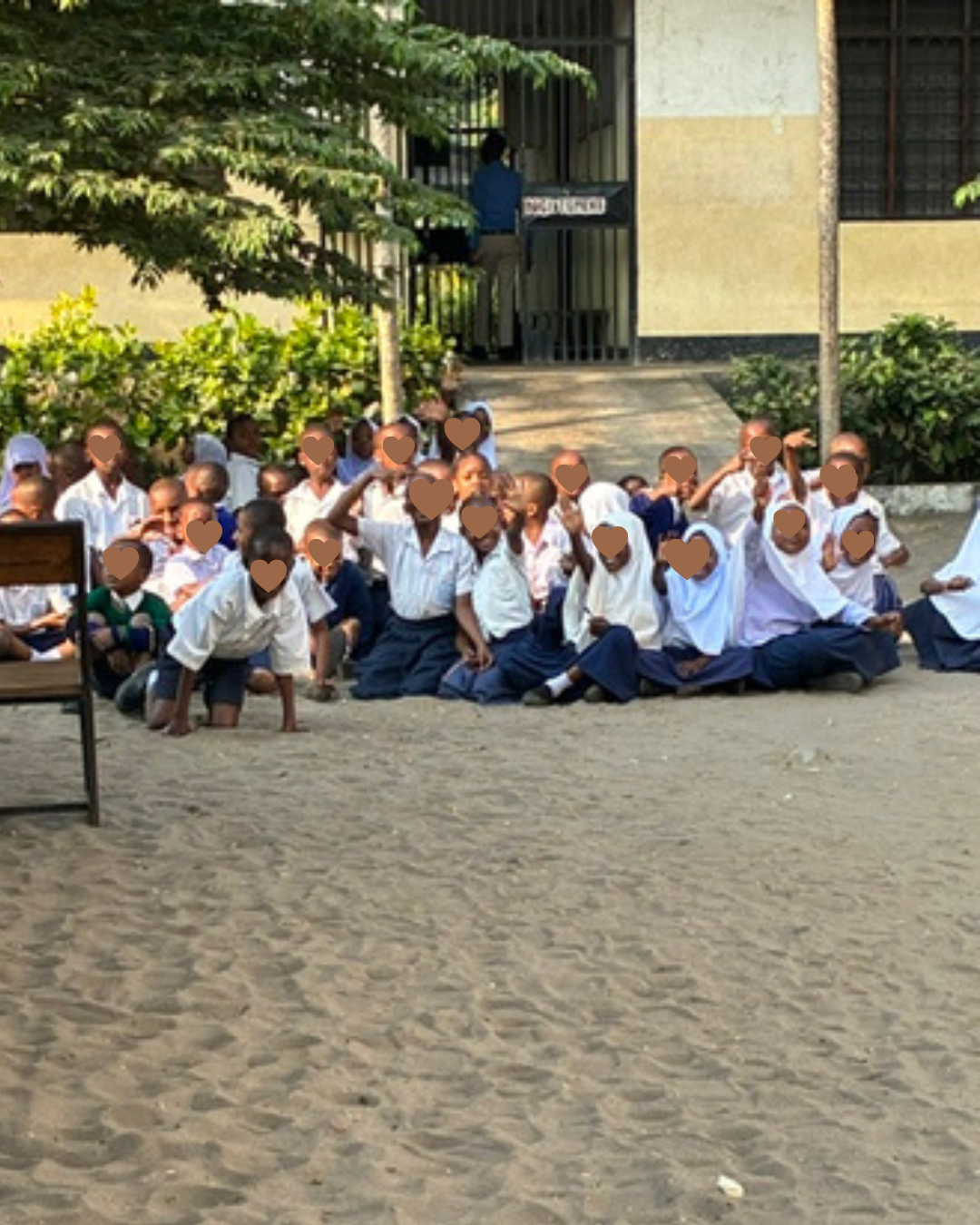
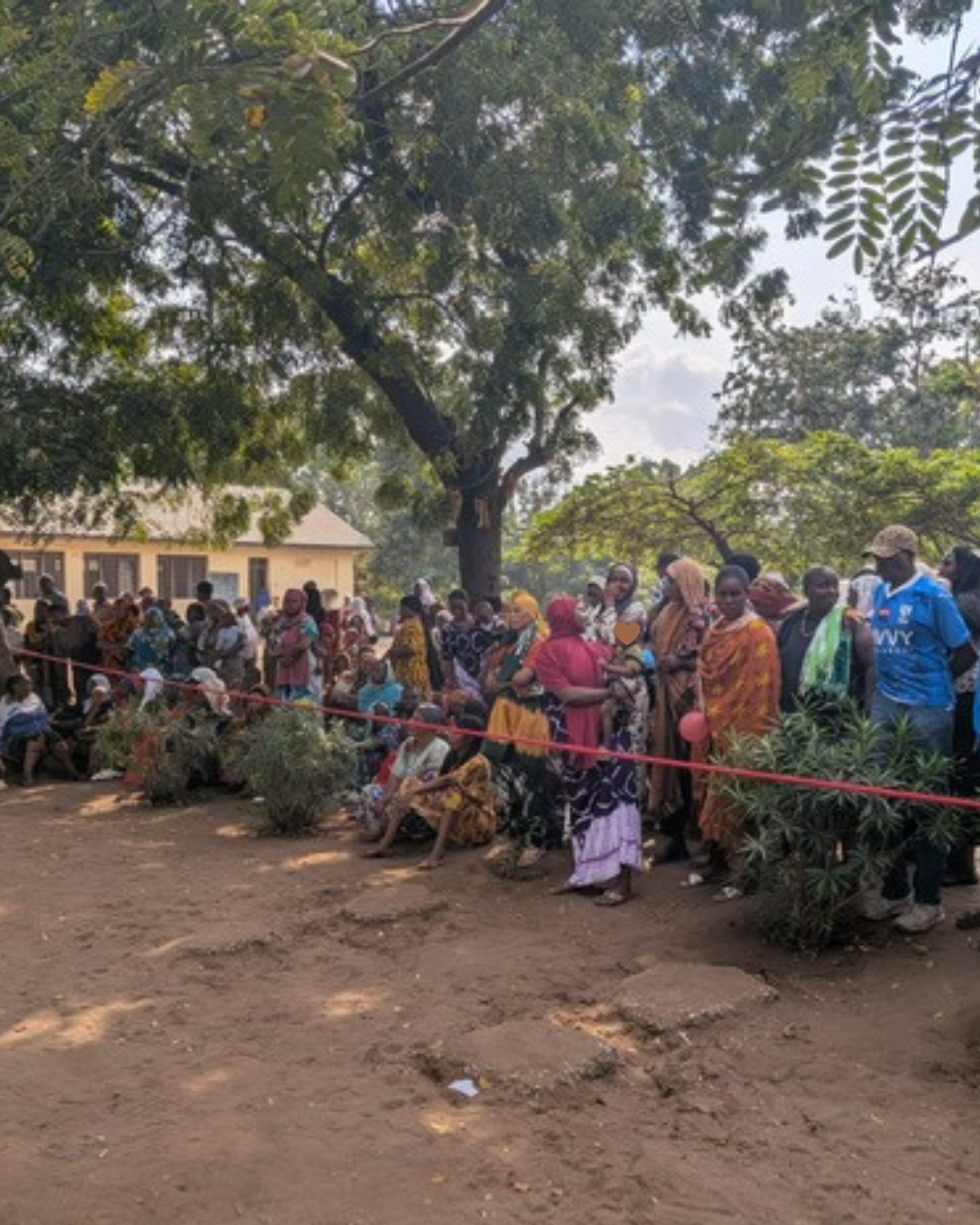
Teachers reinforced this perspective by sharing their classroom experiences. They often observe students becoming very sleepy in the afternoon, to the point where naps are sometimes encouraged during the school day. This practical response reflects both the reality of students’ fatigue and the need for broader awareness of healthy sleep habits.
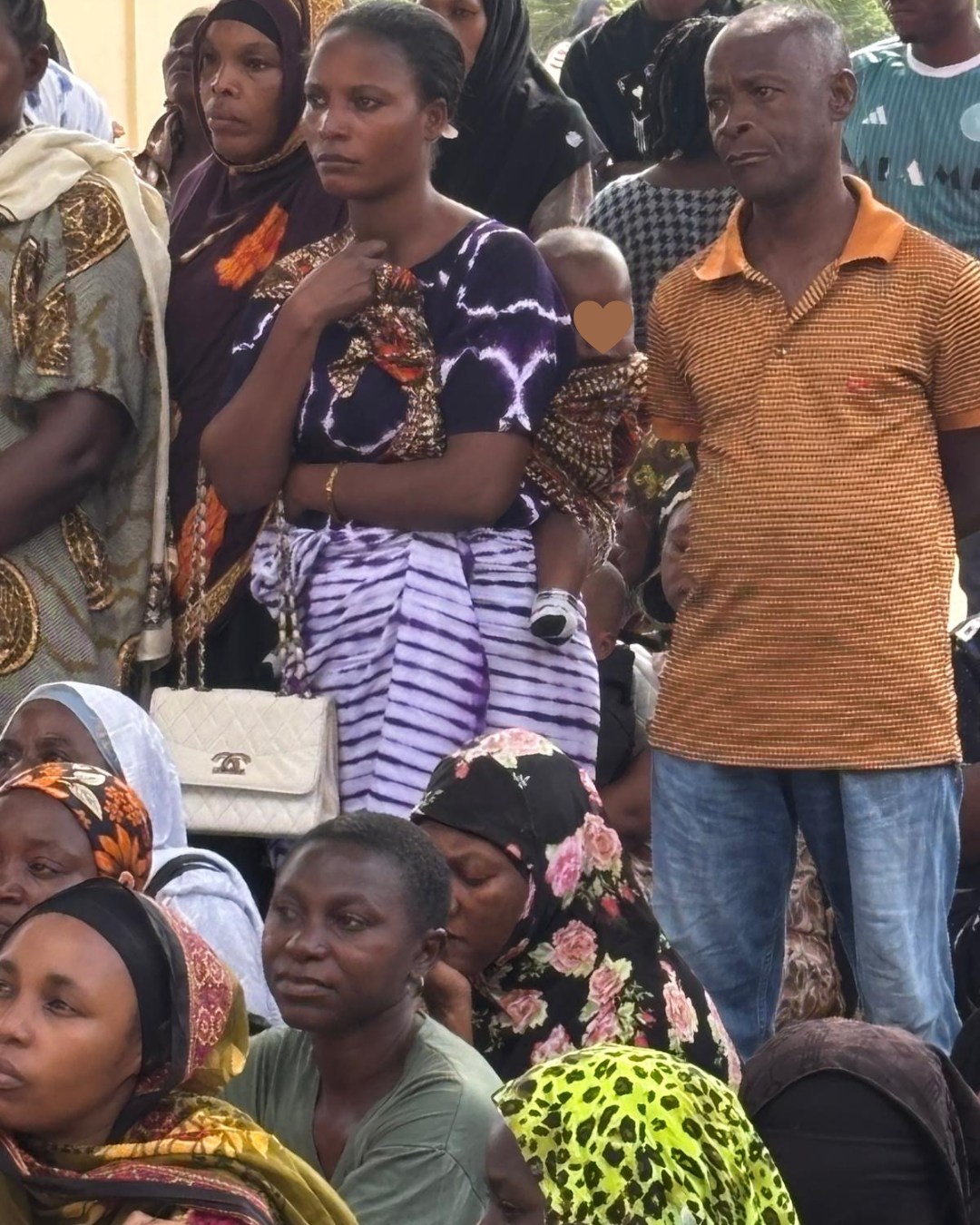
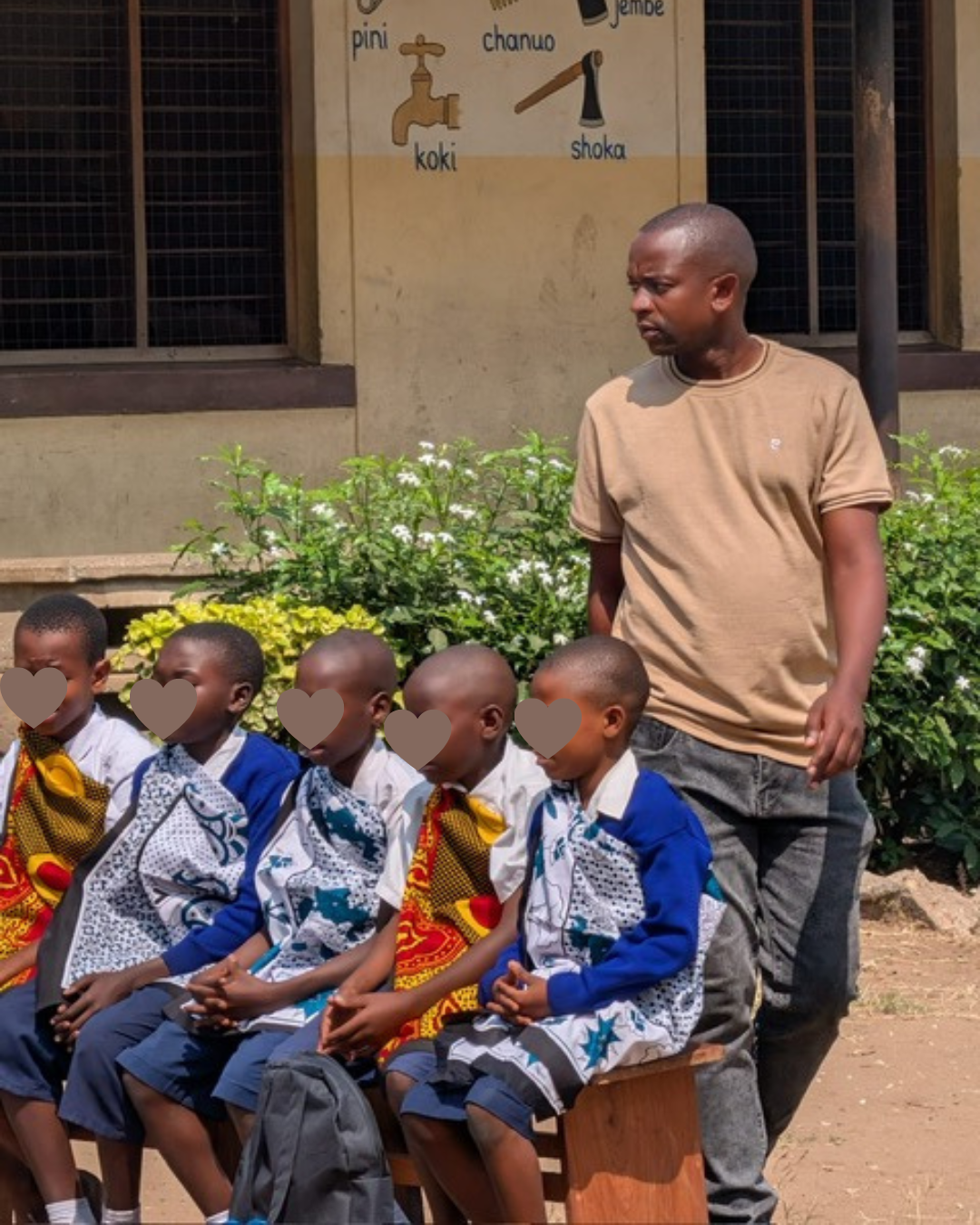
Encouragingly, the teachers we spoke with agreed that incorporating education about sleep and its role in health into the science curriculum would be valuable. Increasing awareness - among both educators and families - could have meaningful impacts on students’ well-being and learning potential.
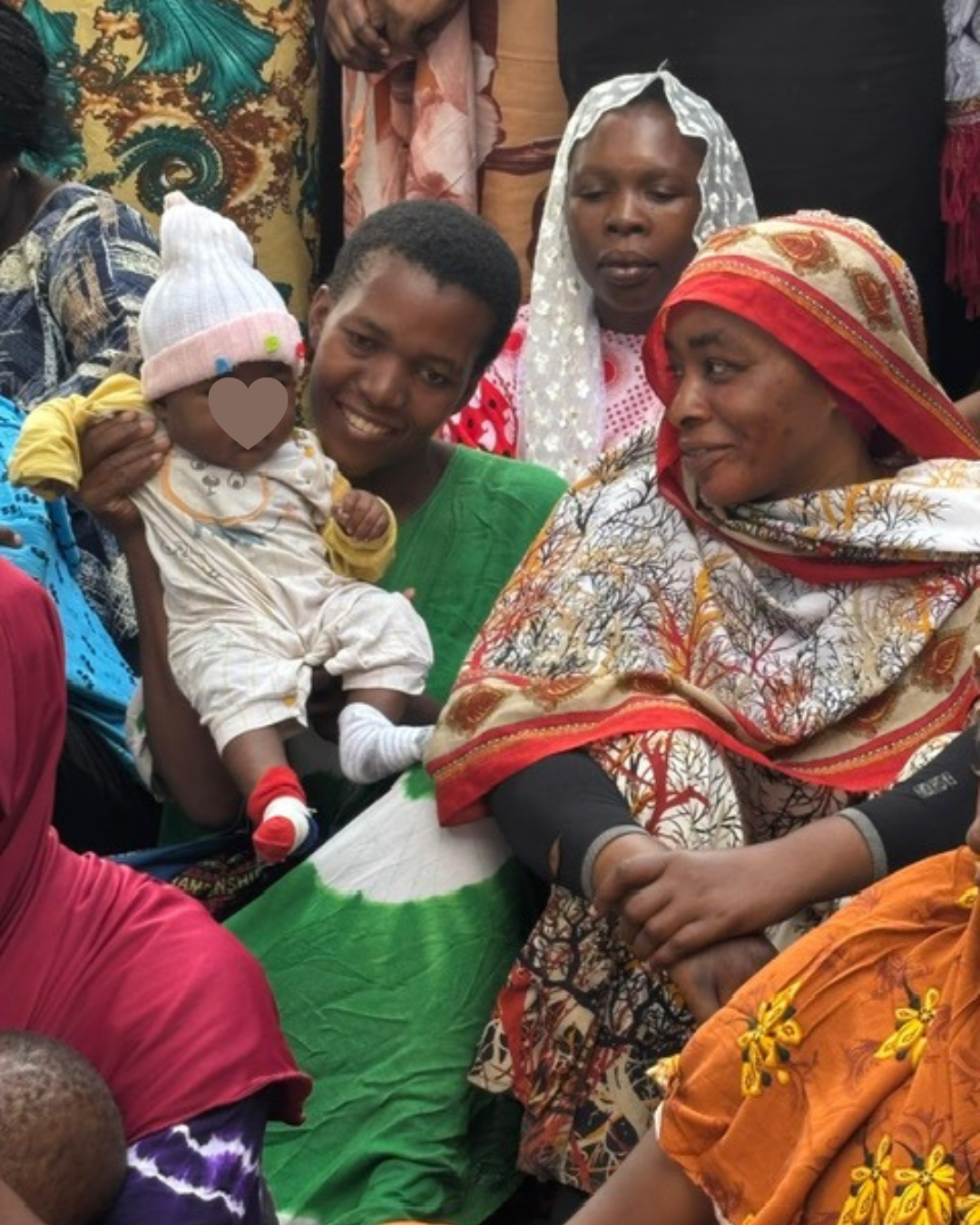
La la salama - sleep well.
Team Tanzania, 2026
Upendo AIDS Information and Counseling Centre 🇹🇿 + SCAW 🇨🇦