SCAW Blog: Nepal, 2026: May 13
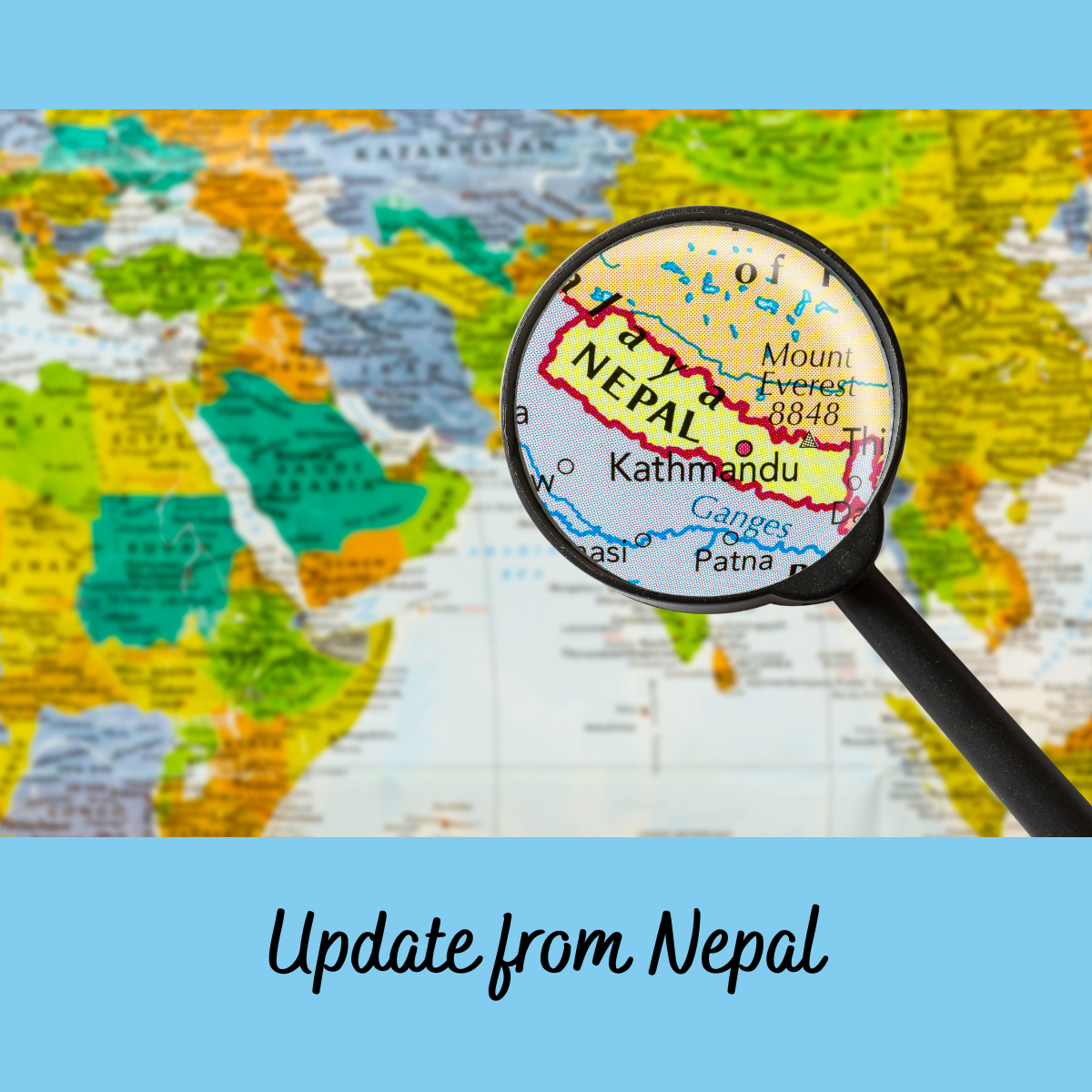
Today, 401 bed kits were distributed to children at four schools in Sahid Lakhan Rural Municipality, known for its rugged Himalayan hills and valleys. Much appreciated was the support from the teachers, our Rotarian partners, and program of traditional dancing which concluded the day's distributions.
The challenging terrain limits infrastructure and accessibility, resulting in few formal job opportunities and requiring travel to Bhaktupur, 40 kilometers away, for higher education and advanced medical care. Transportation may be unreliable, especially during the rainy season when landslides may temporarily wash out sections of roadway.
Approximately 70 percent of the population relies on subsistence agriculture, farming primarily for their own consumption rather than for income. Although the cost of living is much lower in Nepal than in Canada, employment opportunities in rural Canada, such as farming, forestry, and service industries, offer salaries that support a higher standard of living.
Purchasing Power Parity (PPP) is an economic concept used to compare currencies based on the cost of a specific basket of goods and services in different countries. In rural Canada PPP is estimated at USD 52,744 while in rural Nepal it is around USD 6,578, highlighting a stark contrast in income levels and living standards between the two countries. This contrast underscores the value of the bedkit, which not only aids the individual child but also significantly enhances the purchasing power and standard of living for the entire family.
Team Nepal, 2026
Rotary Club of Himalayan Golfers🇳🇵+ SCAW 🇨🇦